

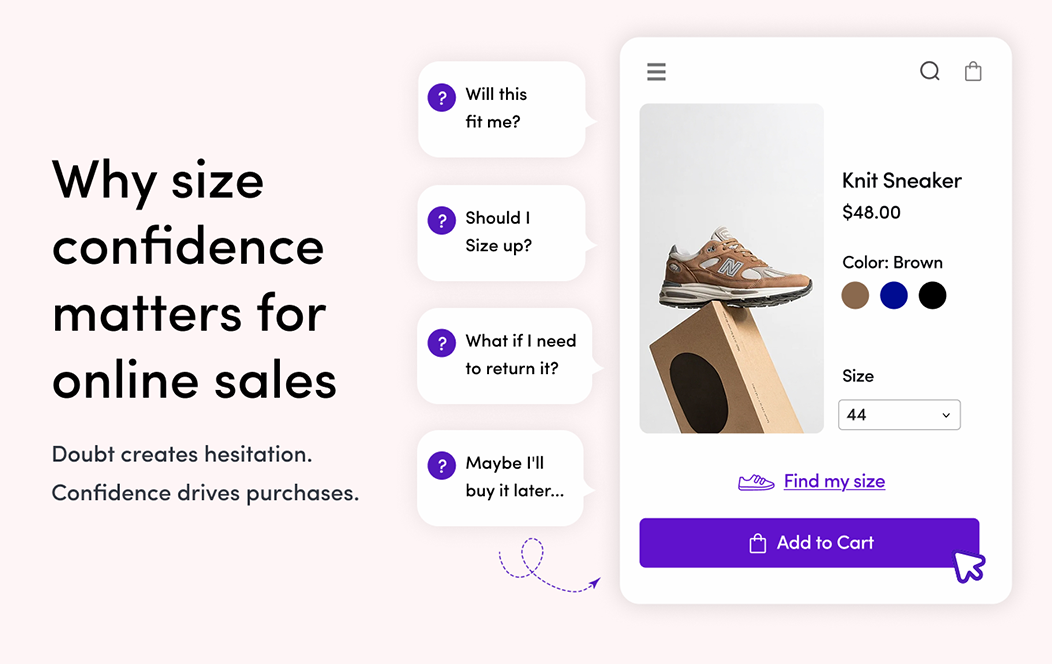
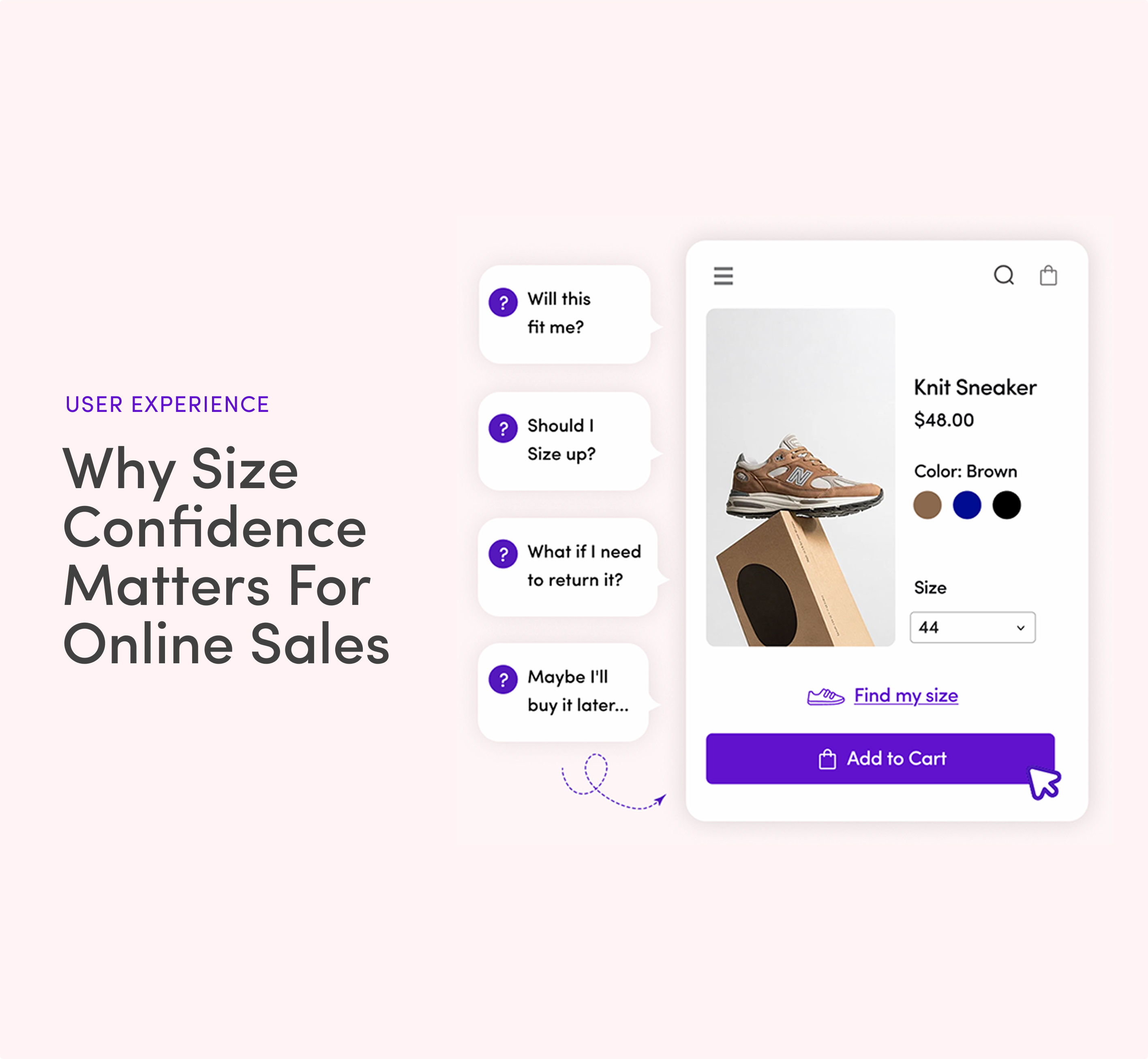
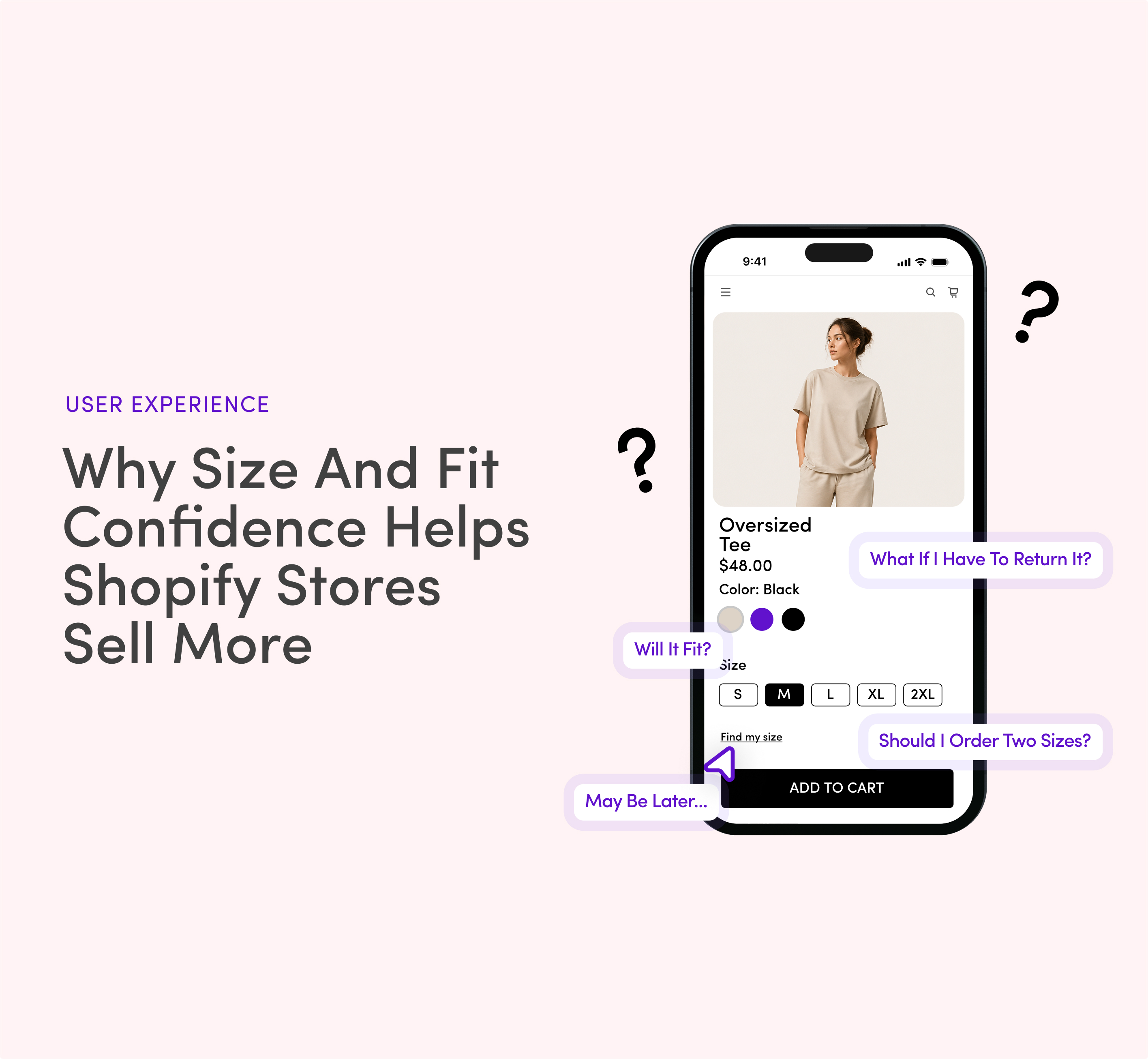
There is a moment every online fashion shopper knows. They have found the product they want. They are on the page. They are ready to buy. And then they hit the size selector and freeze.
They do not know if they are a Medium or a Large in your brand. They cannot tell from the size chart whether this style runs slim or relaxed. They do not have a measuring tape. They are between sizes. Or they are buying it as a gift and have no idea where to start.
So they do one of three things. They leave. They buy two sizes and plan to return one. Or they guess, cross their fingers, and hope.
All three outcomes are expensive for your store. And all three are largely preventable.
Shopify does give merchants a way to display sizing information without needing an app. You can create a size chart as a page, add sizing details through rich text in a product description, upload a chart as a file, or use metafields to connect different size charts to different products.
In themes like Dawn, a size chart page can be connected to a product metafield and displayed through a pop-up block on the product template. It is a clean, no-code setup that works well for straightforward stores.
But here is the honest limitation: a size chart is still just information. It shows measurements alongside size labels and then hands the decision entirely to the shopper.
The shopper has to measure themselves. Compare. Understand how that product specifically fits. Factor in their own preference for a looser or more fitted feel. And then decide whether they feel confident enough to actually buy.
That is a lot to ask. And most shoppers are not doing it.
Statista's 2025 data backs that up. One in four clothing purchases made online is returned, and apparel consistently leads every other category in return rate, often reaching 30% or higher.
The chart works when sizing is simple, the shopper already knows your brand, and the product fits consistently across styles. For a lot of stores, especially early on, that is fine.
But sizing is rarely that clean. And the more complex it gets, the harder it becomes to solve with a static chart.
Shoppers do not always know their measurements
A size chart assumes shoppers are equipped to use it. In reality, many do not own a measuring tape, do not know their exact chest or hip measurement, do not understand how to correctly take their measurements, or simply cannot be bothered to check before they buy. Understanding why static measurements fall short is crucial for brands trying to improve shopper experience, as physical charts quickly become background noise rather than a decision-making tool.
Sizing is not always consistent across your own store
One collection may run slim. Another may fit true to size. A third may be deliberately oversized. A static size chart does not always capture those product-level differences clearly enough for a shopper to feel confident. And when different products fit differently, a single chart is often worse than no chart at all.
International shoppers face an added layer of confusion
EU, UK, US, and waist and length sizing all mean different things. Shoppers crossing those conventions without clear guidance are much more likely to get it wrong and much more likely to return.
Higher price points raise the stakes for everyone
When a product costs more, shoppers need more confidence before they commit. A size chart may feel reassuring at $30. At $180, it is not enough. The uncertainty gets heavier the more expensive the item, and the cost of getting it wrong gets heavier for you.
Limited drops cannot absorb wrong-size orders
For brands running seasonal drops or limited inventory releases, a wrong-size order is especially damaging. It ties up stock, complicates exchanges, and often sends product back too late to resell at the same price or momentum. Limited drops also lose revenue when the right size sells out before replenishment. Pre-orders with partial payment support let Shopify fashion brands keep unavailable variants sellable until restock.
When shoppers are not confident about size, the cost shows up across your business in ways that compound quickly. Understanding the e-commerce sizing problem reveals how deeply fit uncertainty impacts a store's bottom line. According to recent NRF data, sizing, fit, and color issues cause 45% of all ecommerce returns, and processing a single return costs retailers between $10 and $65 once shipping, labor, inspection, and restocking are factored in.
None of these are solved by a better-designed size chart. They are solved by giving shoppers a clear, personal answer to the only question that actually matters to them at that moment: what size should I buy?
Fit Quiz Size Recommender is not another size chart. It is a size recommendation app that helps shoppers decide what size to buy instead of asking them to figure it out from measurements.
The comparison is worth stating plainly:
Shopify can display the size chart.
Fit Quiz Size Recommender helps the shopper decide.
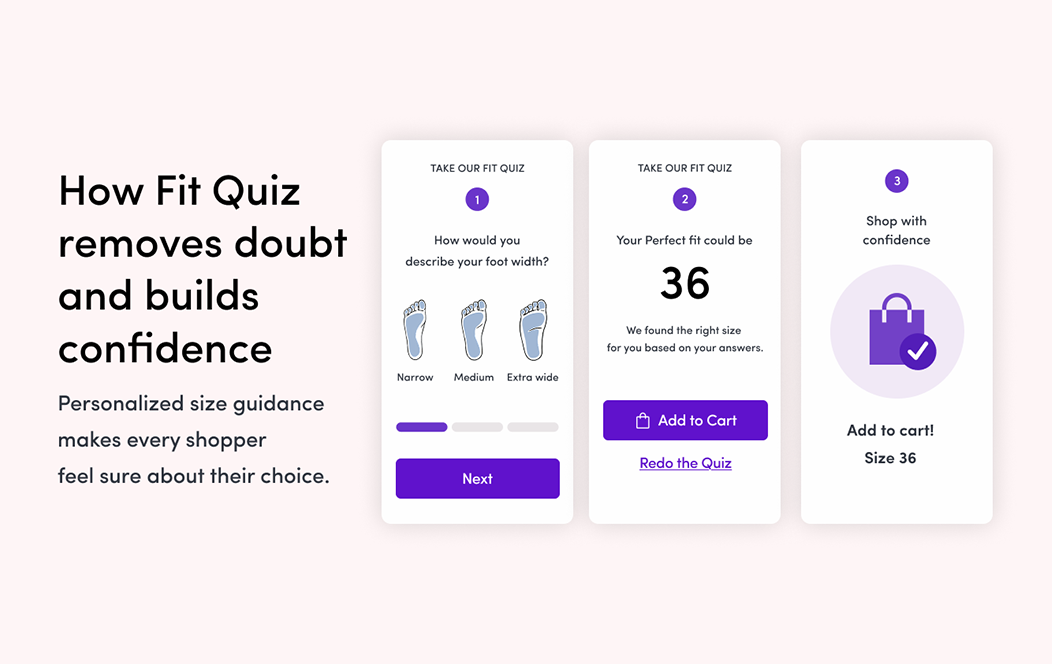
No measurements required
Most people assume a size recommendation quiz is just a digital version of a size chart that asks for your chest measurement instead of making you look it up. Fit Quiz Size Recommender works differently. It does not ask shoppers for their measurements at all, addressing the fundamental flaws of body measurements in online shopping. Measurements only tell you about physical dimensions. They say nothing about whether a person likes their shirts fitted or relaxed, whether they size up in dresses, or how a particular cut tends to run on someone with their body shape.
Instead, the quiz asks a small number of intuitive questions about the shopper, their style preferences, and how they like things to feel. A new visitor can get a personalized size recommendation in under 20 seconds. No measuring tape. No size chart. No guessing.
Built on 18 million shoppers and counting
The recommendations are not based on generic sizing logic. They are powered by data from 18 million shoppers and proprietary algorithms that have been refined by working with fashion brands across every major category. The result is a recommendation accuracy rate of 95% or higher.
The way it works is through what the company behind Fit Quiz Size Recommender, Easysize, calls fashion doubles. The algorithm analyzes a shopper's inputs alongside purchase history, post-purchase feedback, and observed on-site behavior, then finds other shoppers in the database who share similar patterns. Those matches, people who buy and return in similar ways for similar styles, inform the recommendation. It is a fundamentally different approach to sizing, one that accounts for personal fit preferences rather than just physical dimensions.
Even better for returning shoppers
For first-time visitors, the quiz delivers a recommendation in seconds. For returning shoppers, it goes a step further. Their correct size is automatically calculated and pre-selected, so they land on the product page and can go straight to add to cart. Different size formats and regional systems are handled automatically, whether the product uses EU, UK, US, or waist and length sizing. The second purchase becomes completely frictionless.
For a small store with simple, consistent sizing and a customer base that already knows the brand, a native Shopify size chart may genuinely be enough. But once sizing starts affecting returns, inventory, support volume, and repeat purchase behavior, the cost of guessing gets harder to absorb.
Fewer returns, recovered margin
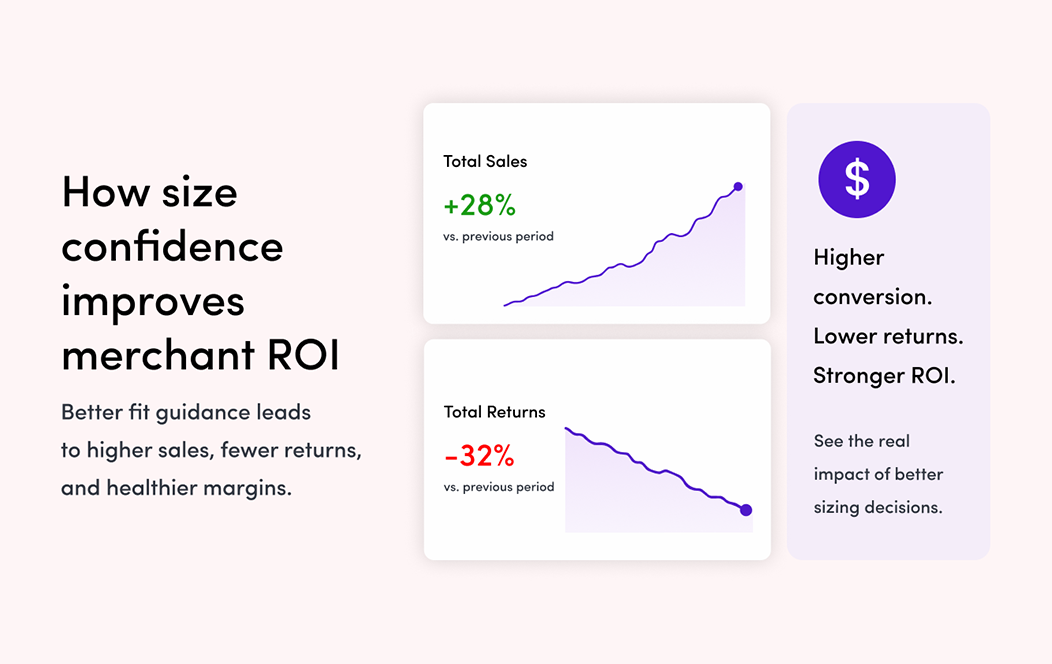
When shoppers receive a personalized recommendation rather than a chart to interpret, they order the right size more often. Across all Easysize customers, orders placed with a size recommendation are 30% less likely to be returned than orders placed without one. That directly recovers margin that would otherwise be lost to shipping, restocking, and potential product degradation.
More confident shoppers convert better
Sizing uncertainty is one of the most common reasons shoppers leave a product page without buying. When that uncertainty is replaced with a clear, personalized answer, the buying decision becomes easier. On average, shoppers are 2.1 times more likely to make a purchase when using Fit Quiz Size Recommender on a product page. Across all Easysize customers, that translates to a 60% increase in sales conversion. You are not just reducing returns. You are recovering revenue that was walking out the door at the size selector.
The return on investment is measurable
Across all Easysize customers, the average return on investment is 15x. For select case studies the numbers go further. La Machine, a Dutch sports and activewear brand, saw a 16x ROI. Ash and Erie, a US brand designing for shorter men, saw a 187% increase in sales conversion. These are not edge cases. They reflect what happens when sizing uncertainty is removed from the buying process at scale.
Recommendations that get sharper over time
Unlike a static chart, the technology learns continuously. As more shoppers complete the quiz and orders are fulfilled or returned, the underlying model improves. Every brand that installs Fit Quiz Size Recommender contributes to and benefits from a shared pool of 18 million shopper data points and growing. The accuracy compounds across the network. The longer you use it, the better it gets.
Lower pressure on your support team
Sizing questions make up a significant share of pre-purchase support tickets. When shoppers can get an instant, accurate answer from the product page at any time of day, that volume drops. Your team gets more time for higher-value conversations, and shoppers get a faster answer than any inbox can provide.
Shopify gives you the infrastructure to sell. What it gives you natively for sizing is a display tool, a place to put a chart that shoppers may or may not be equipped to use.
That is a reasonable starting point. It is not a solution for a fashion business that is paying close attention to profitability, return risk, inventory, and buyer confidence.
Fit Quiz Size Recommender closes that gap. It moves sizing from information the shopper has to interpret to a decision they can make with confidence. And that shift, from hesitation to confidence, from guessing to knowing, is where returns go down, conversion goes up, and customers come back.
Ready to stop losing sales at the size selector?
Install Fit Quiz Size Recommender on the Shopify App Store and give your shoppers the confidence to buy the right size, the first time.




.jpg)


.jpg)


