

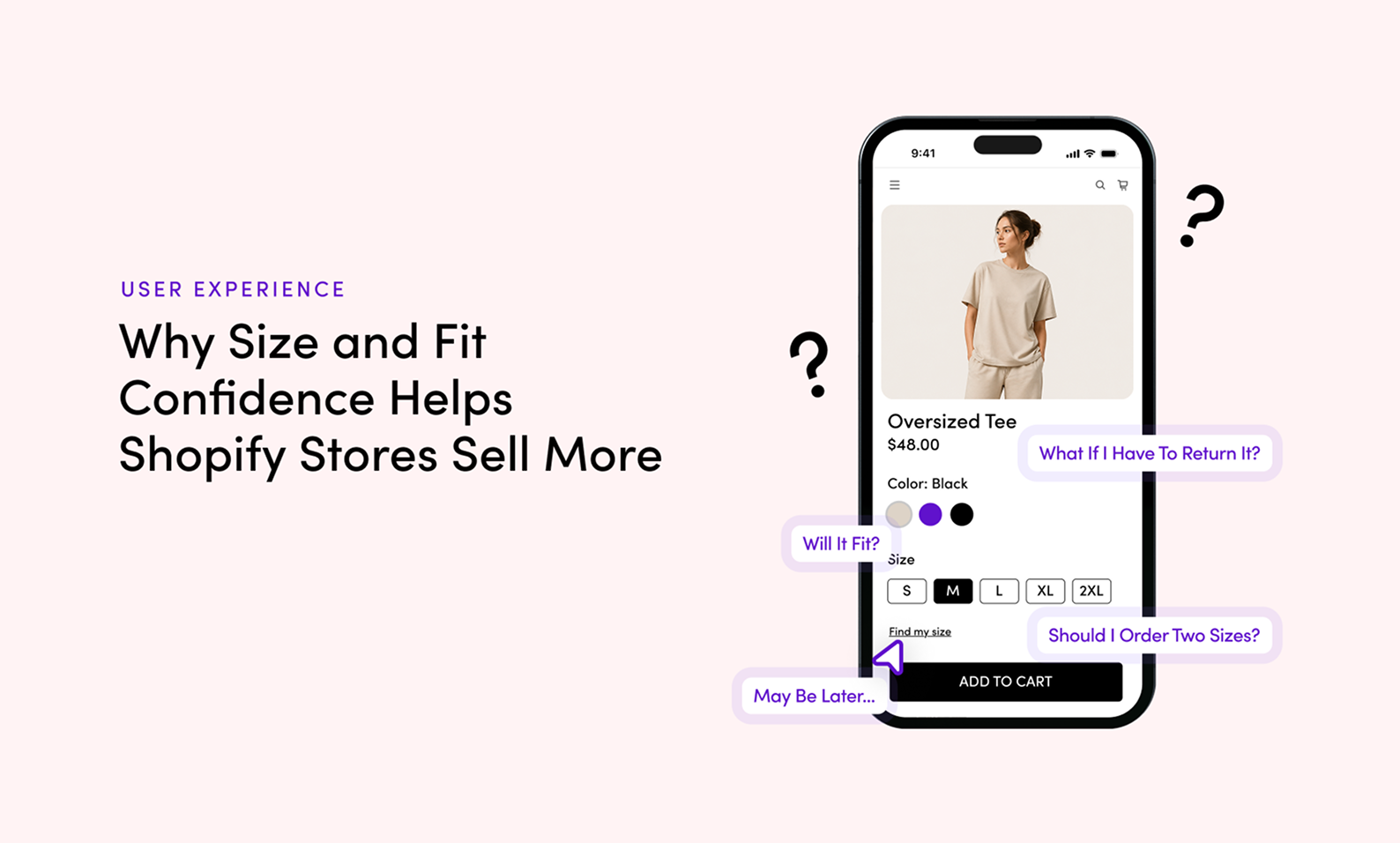
When people shop for apparel or footwear online, they are not only deciding whether they like the product. They are also deciding whether they trust the fit enough to place the order. That part matters more than most brands realize.
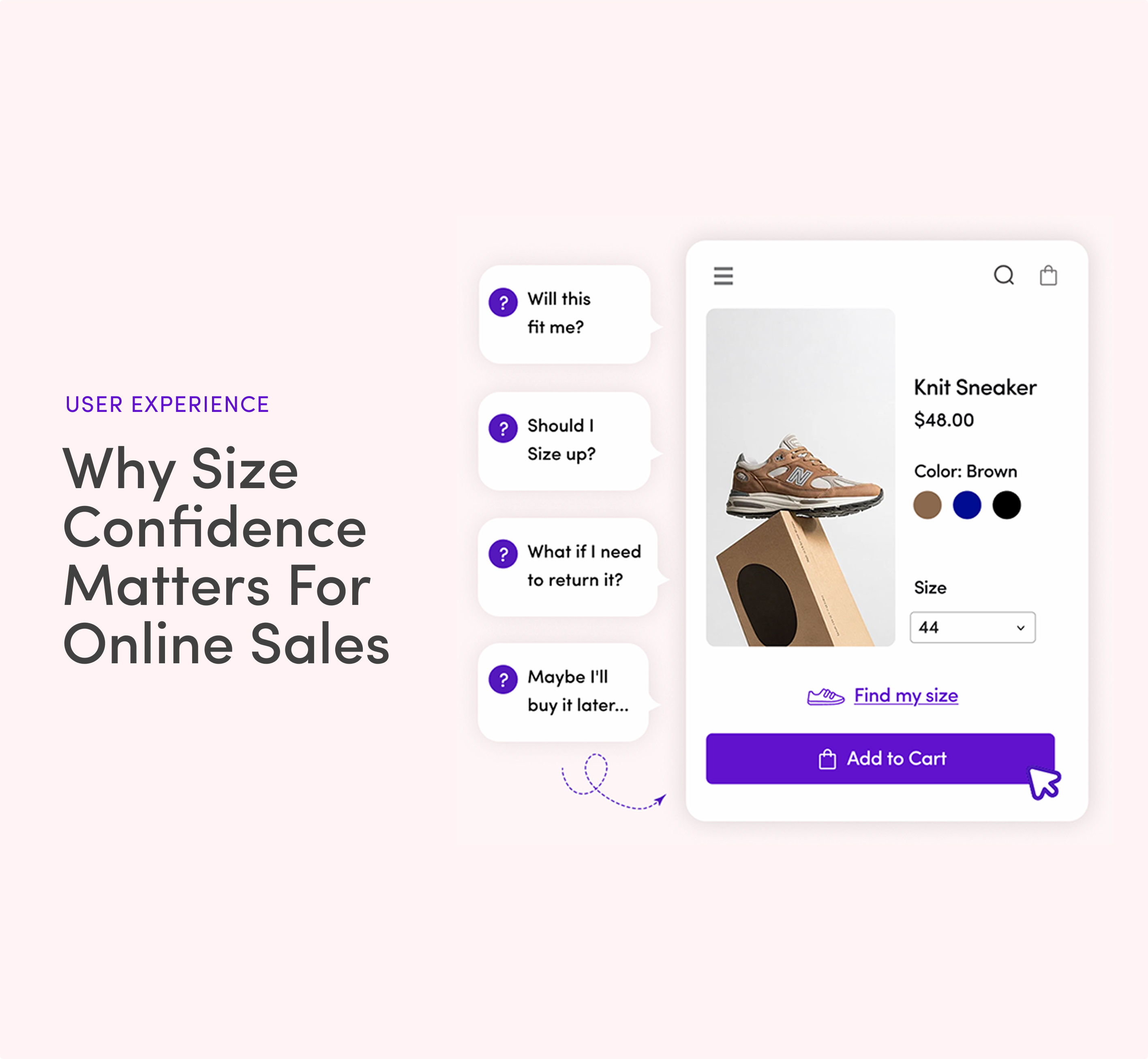
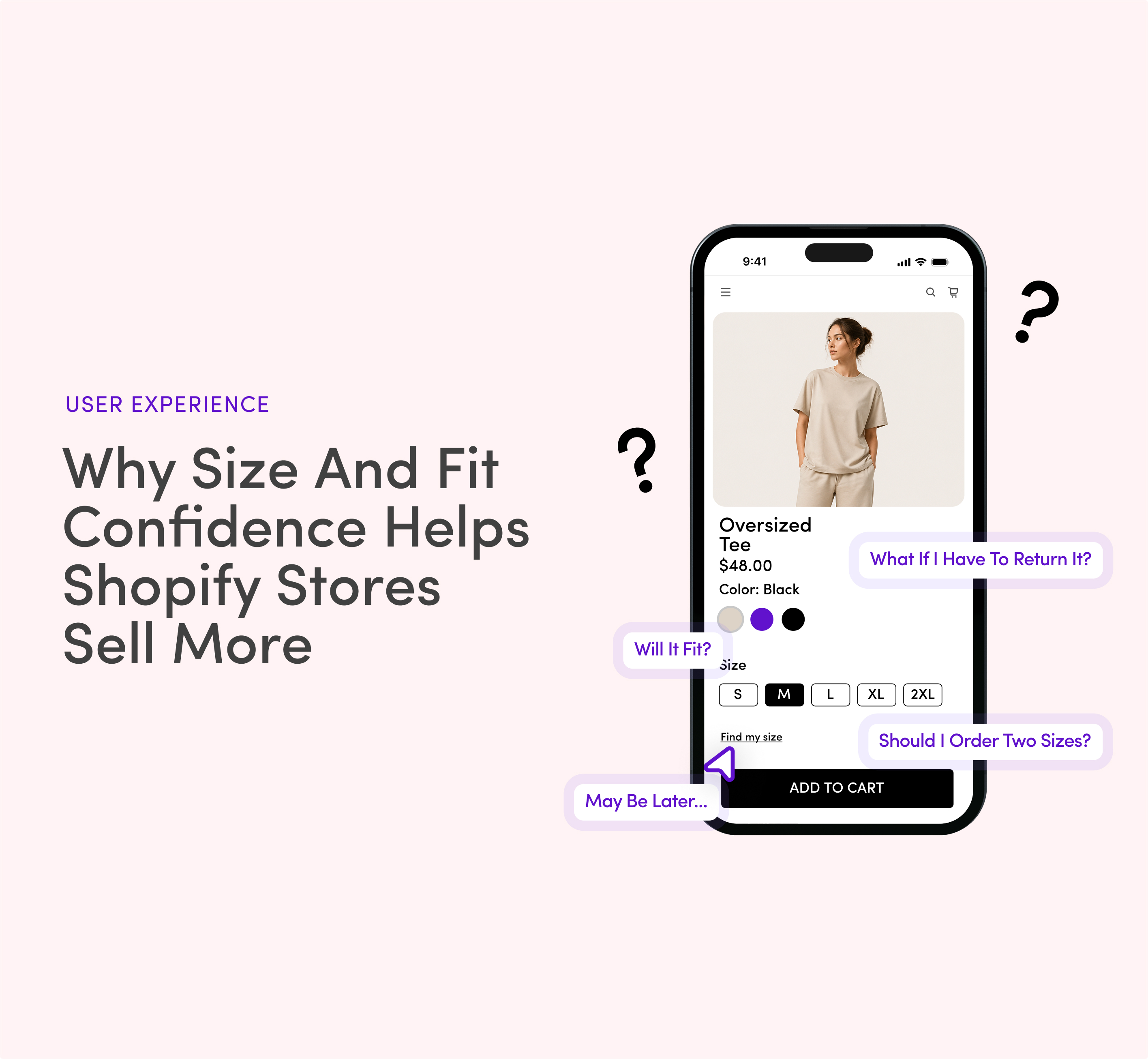
Fit uncertainty slows shoppers down. They compare options, leave the page, or put the purchase off for later. Sometimes they come back, and sometimes they do not. That is why size confidence matters so much for Shopify brands. It shapes buying behavior long before a return ever happens.
For brands selling apparel and footwear, a size recommender can help make that decision easier. It gives shoppers more confidence in their choices and helps remove some of the doubt that keeps them from buying. From the merchant side, calculating costs and return on investment (ROI) helps to show what those sizing issues may already be costing the business.
In a store, people can try things on and adjust as they go. Online, they are working with product photos, fit notes, reviews, and their own best guess. In categories where sizing varies from brand to brand or even from item to item, that is often not enough.
A shopper can like the product and still not buy because they are not confident in the fit. That is what makes sizing more than a returns’ issue. It affects whether the sale happens at all.
This shows up in ways that are easy to overlook. Some shoppers abandon their cart. Some buy one item instead of three to try at home and return the rest, thus leading to unnecessary costs. Some skip products that feel harder to figure out. None of that gets counted as a sizing problem in a simple report, but it still costs the brand money.
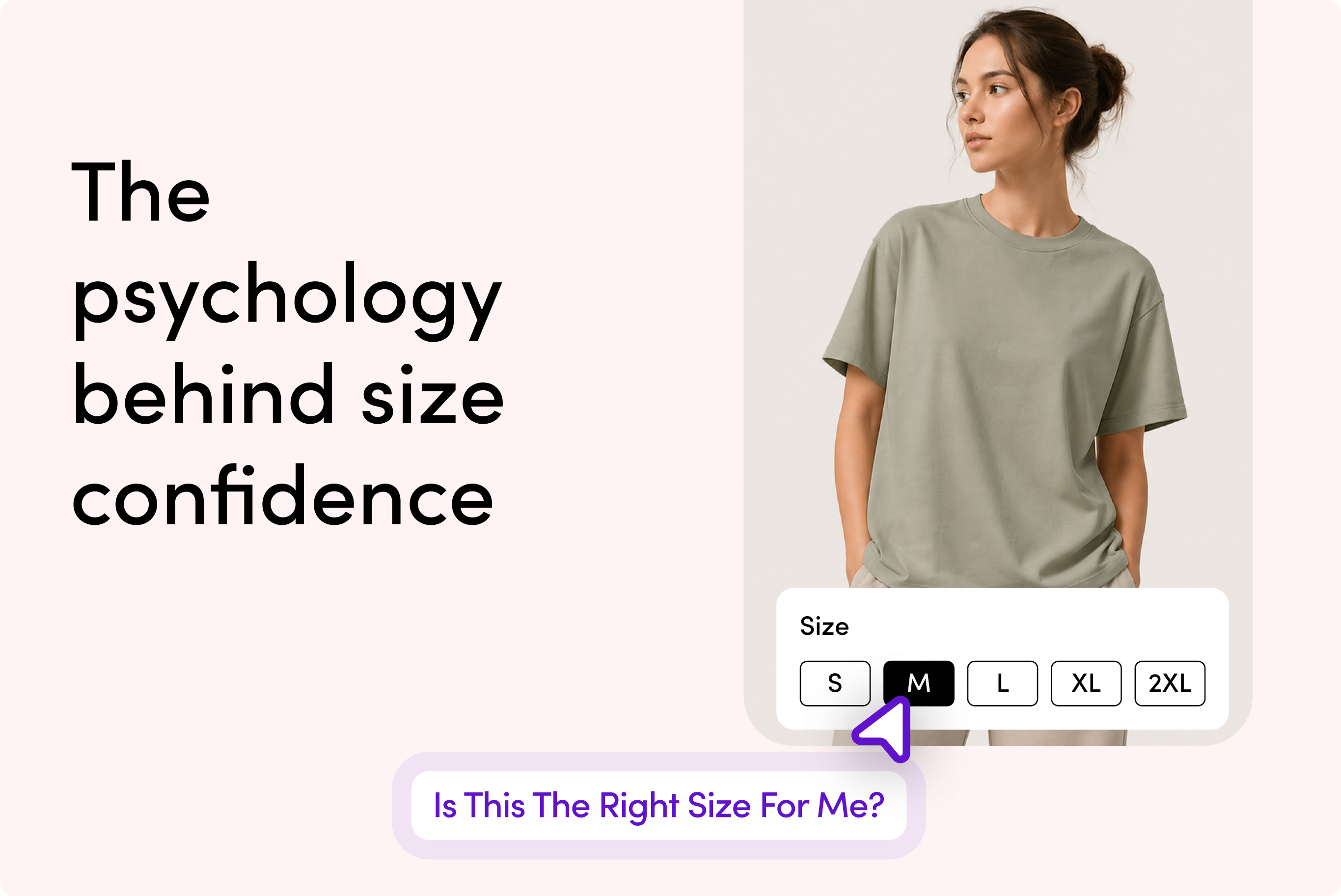
Most people do not need total certainty to buy, but they do need to feel like they are not making a bad bet.
Shoppers know how annoying returns are. They know what it feels like to order something they were excited about and have it arrive completely wrong. They also know that sizing changes across brands, styles, and materials. All of that is running in the background while they shop.
When shoppers feel more sure about their size, they are more likely to buy. They are not stuck weighing every downside or trying to talk themselves into the order. The purchase feels more straightforward, and that can make a real difference.
Returns are the obvious result of poor fit, but they are only part of the story. A lot of the damage happens before a return even enters the picture.
Some shoppers leave because they cannot get comfortable with the choice. Some keep browsing and never come back. Some decide the item is not worth the risk. Those are lost sales, even though they never show up in return data.
There is also a trust issue over time. If a brand feels hard to buy from, customers remember that. In apparel and footwear, where fit is personal and mistakes are common, that impression can shape whether someone buys once, buys again, or quietly moves on to a store that feels easier.
A size chart often pushes the work back onto the customer. It asks them to compare measurements, interpret the fit, and hope they land on the right answer. A fit quiz feels more helpful because it gives a recommendation that seems more specific to them. On top of it, it matches the experience of chatting with a shop assistant without invasive questions about one’s weight or measurements.
That also sends a good signal about the brand. It shows the store understands a real customer concern and is trying to help with it. Most shoppers have had a bad sizing experience before, so even a small amount of useful guidance can go a long way.
Customers do not need a brand to promise perfection. They just want to feel like the store is making things easier, not harder.
When people are unsure, they get cautious. They delay the purchase, narrow their options, or decide to wait. When sizing feels clearer, people stop overthinking it and move closer to making a purchase.
A shopper who feels good about the size may be more willing to buy at full price, try a style they have not ordered before, or finish the order without another round of second-guessing. They may also feel more comfortable adding other items once the main decision feels settled.
Confidence changes behavior, and behavior drives results. That is really what this comes down to.
Apparel and footwear are harder to shop for online because fit is not simple. A medium in one brand may fit completely differently in another. Shoes can run narrow, wide, short, or long. A dress can fit differently depending on the cut, material, or body shape. Customers know all of this, so they bring that caution with them every time they shop.
Better fit guidance is not just a nice feature for these brands; it's essential. It supports conversion, reduces returns, lowers support burden, and improves the buying experience in one of the areas customers care about most.
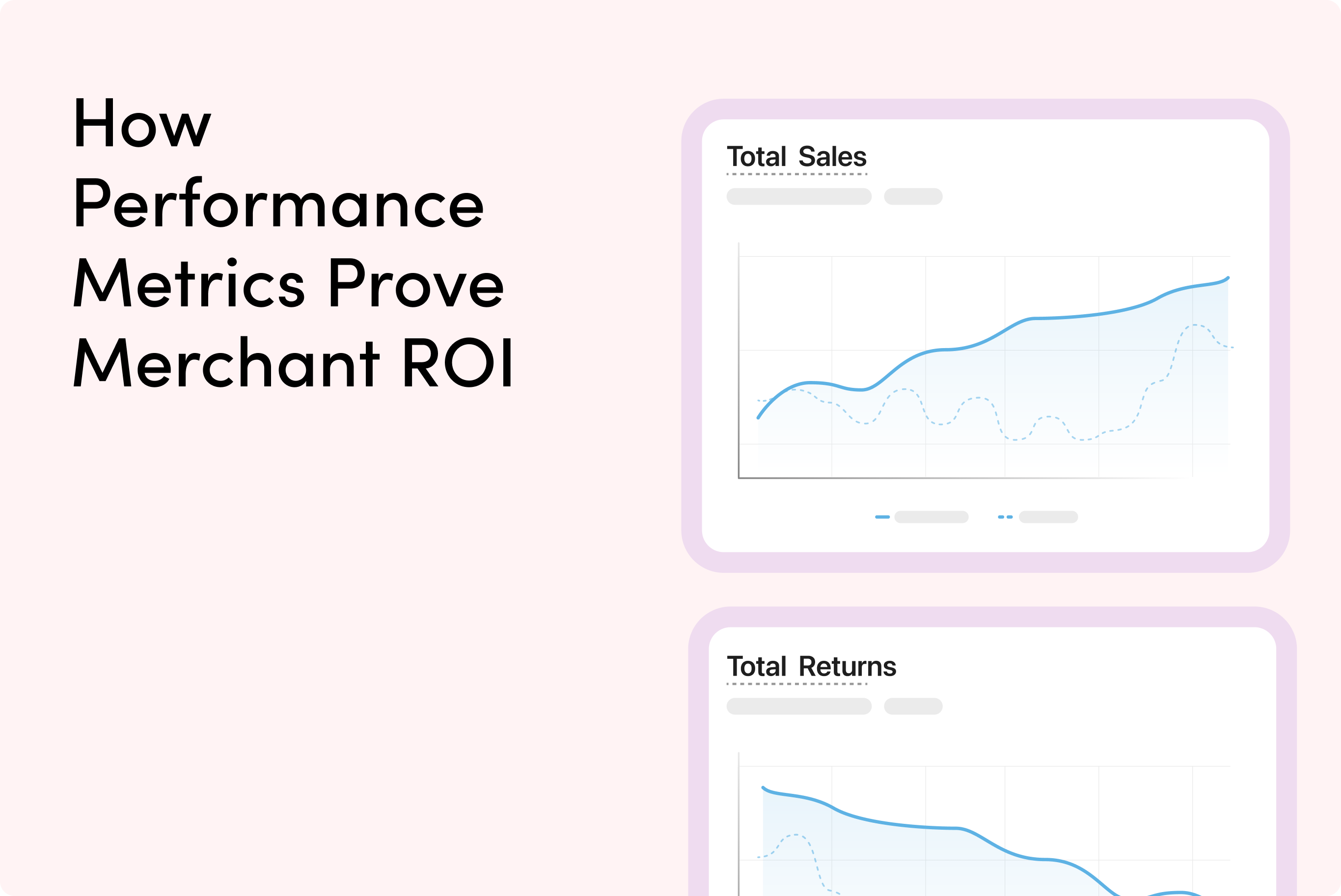
Store owners hear broad promises all the time. They have heard that apps will boost sales, reduce returns, save time, and improve performance. After a while, that kind of language all blends together.
Calculating costs and metrics work because it makes the problem easier to see in real numbers. It gives merchants a way to estimate what sizing issues may already be costing them, rather than asking them to take the value on faith.
Instead of asking whether an app fee is worth it, the merchant starts looking at the cost of doing nothing. That usually makes the decision a lot clearer.
Calculating costs should help merchants look beyond refunds alone. Return shipping, processing time, and support volume all matter, but there are other costs that are easy to miss.
When a returned item is in transit or awaiting processing, it is not available to resell. For brands with seasonal products, trend-based inventory, or fast-moving collections, that delay can hurt. By the time the item is back in stock, demand may have changed.
There is also the issue of shoppers who never converted in the first place because they did not feel good about the fit. That is harder to measure, but it is still part of the cost. A calculator helps merchants look at the full picture and puts a number on what is otherwise easy to ignore.
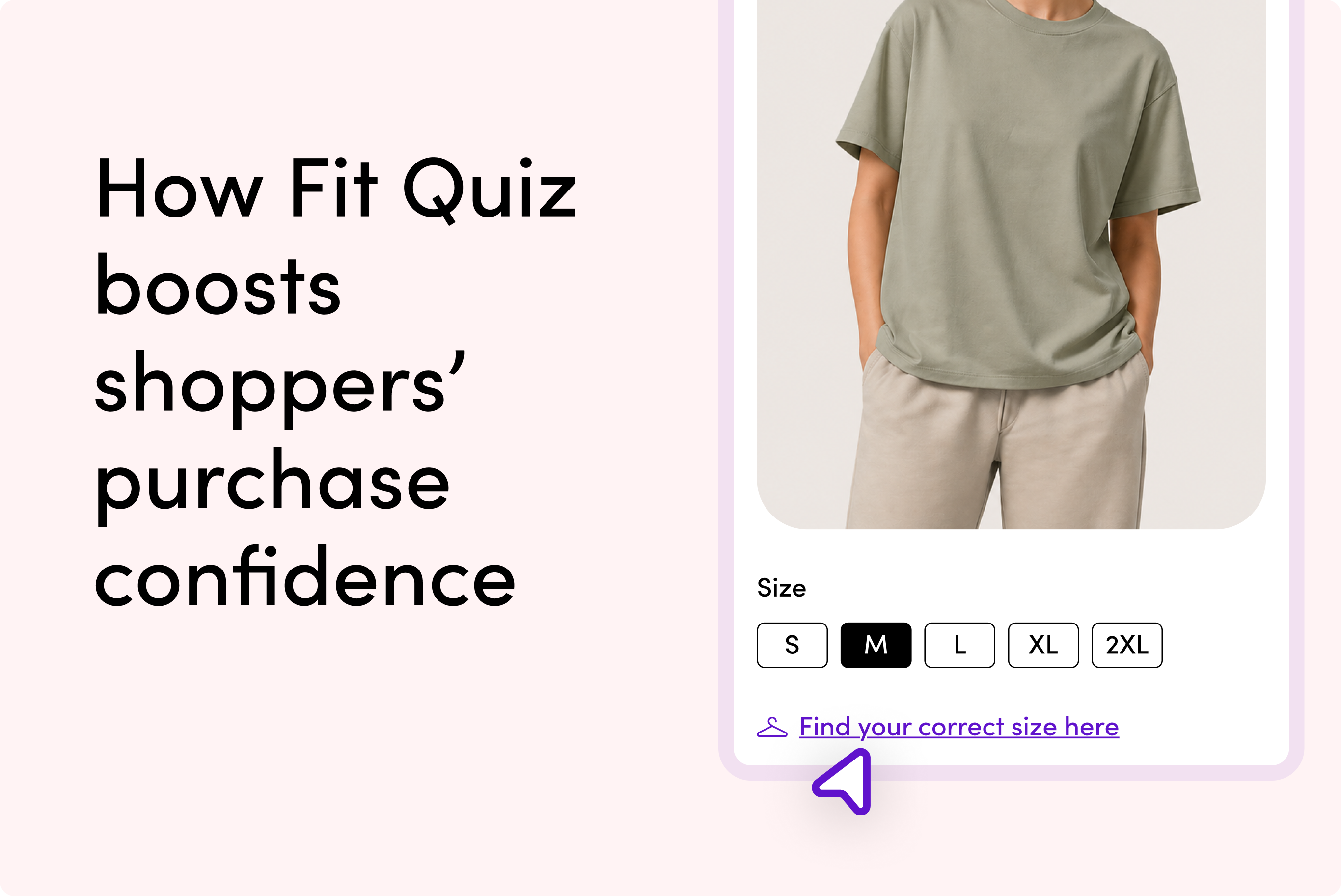
Easysize Fit Quiz helps shoppers feel more confident about their decision, which often stops the sale.
For the merchant, the value goes beyond the size recommendation itself. The app helps to address one of the main reasons customers hesitate to buy apparel and footwear online. As a result, merchants see higher sales and lower returns.
Looking into business metrics supports that by showing what poor size confidence may already be costing the store. The fit quiz helps the shopper. The calculator helps the merchant see it clearly.
People are more likely to buy when they feel sure enough to move forward. In online apparel and footwear, sizing plays a big role in that. When shoppers are not confident, they hesitate or leave. When they feel better about the choice, they buy.
Fit confidence touches more than returns. It shapes how people shop, how they feel during the decision, and whether the brand feels easy to buy from. A fit quiz helps on the customer side, and performance metrics make the business case easier to see.




.jpg)


.jpg)


